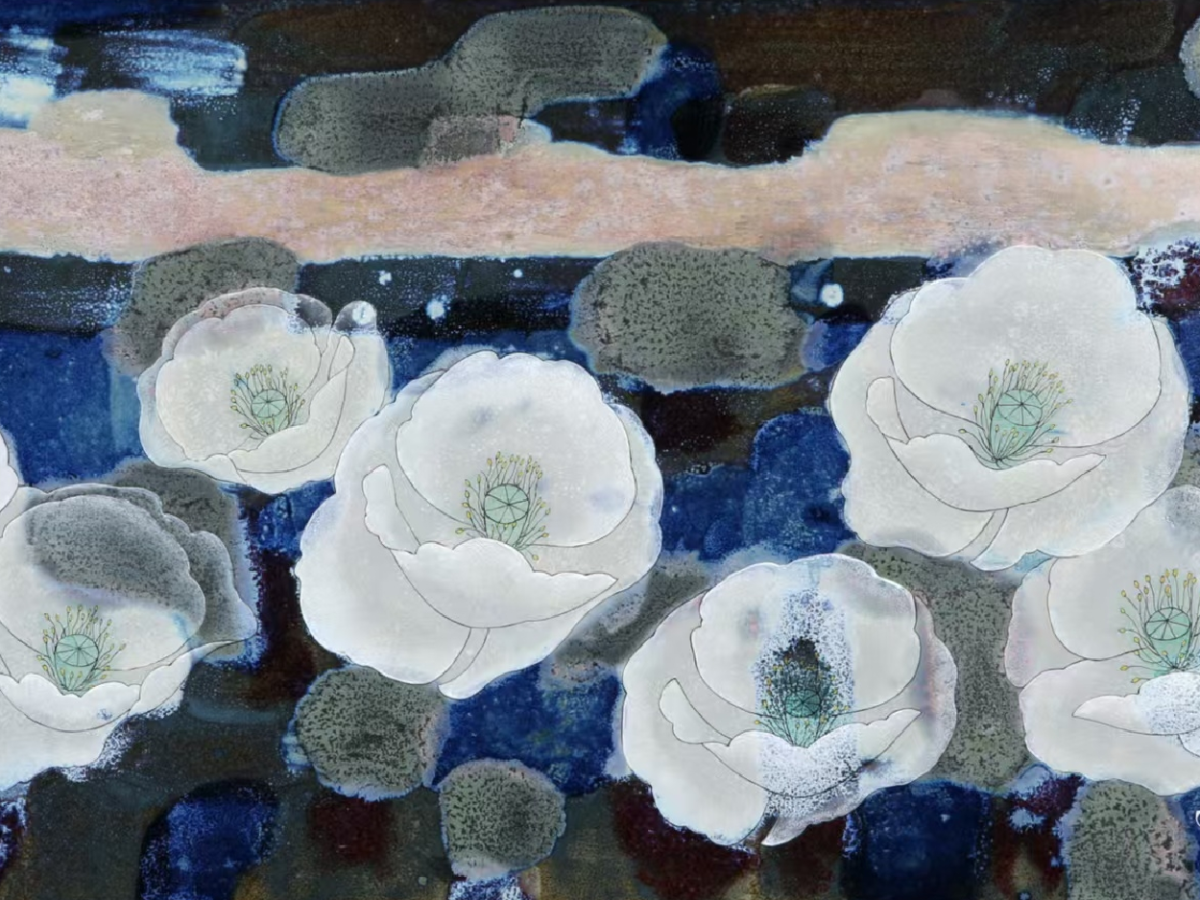
Brick form symbolizes a striking art version with a expansive past, covering back legions of eras. From ancient urns to cutting-edge exhibitions, the element offers unmatched possibilities for creative expression. Makers manipulate different techniques – including assembling, wheel manipulating, and sophisticated firing processes – to convert humble soil into aesthetic three-dimensional works. The permanence of fired earthenware also contributes to its status as a truly memorable part of human custom.
Exploring Pottery Panel Arrangements and Practices
The landscape of ceramic emblem design offers a vast array of artistic possibilities. Craftsmen often incorporate a fusion of conventional and current techniques to generate visually remarkable pieces. These can stretch from simple, fashioned reliefs to complex, multi-layered configurations. Common methods include the slip cast process, hand crafting, finishing glaze – which can involve an array of genres like sub-glaze artwork, outer glaze enhancement, and sgraffito where designs are revealed by eroding a layer of sheen. Expanded inquiry into external finishes such as rapid firing and sheen enhancement can generate truly remarkable and customized ceramic boards.
- Shape Forming - Fabricating pieces using a cast
- Artisanal Molding - Accurately crafting the material
- Glazing - Smearing the shell with a glossy finish
- Incised pattern - Uncovering designs by eroding shells
Absorbing Experiences: Clay Art Assemblies
The transforming landscape of craftsmanship presents exciting innovative avenues for guests, and ceramic art installations are at the pinnacle of this shift. These aren't just static sculptures; they are engineered to envelop the visitor in a sensory environment. Imagine navigating within a forest of towering, coated ceramic trees, or navigating a labyrinth of detailed ceramic vessels. Many makers are now incorporating noises, lighting, and even fragrance to enhance the mood of their work. Picture the power of a room filled with hundreds of expertly ceramic works, each telling a story. Usually, such installations investigate themes of wilderness, the past, and society.
- Those installations blur the thresholds between work and venue.
- Participating in a ceramic art installation can be a deeply personal journey.
- Creators are redefining the thresholds of what is conceivable with clay.
Any Grace of the Stoneware Pot: Application and Form
The stoneware vessel represents a admirable union of functionality and decorative appeal. Historically, these vessels served a minimalist assignment in containing substances, but their expansion has transformed them into highly valued works of design. Each work showcases the dexterity of the artist, demonstrating how configuration can be as pressing as purpose. The attentive shaping, the one-of-a-kind glazes, and the overall presence of a expertly-built receptacle can elevate a space, offering both charm and a reserved reminder of the designer’s hand.
Current Porcelain Model : Pushing Limits
Present-day terracotta model represents a fascinating shift from historical practices. Designers are vigorously advancing with cutting-edge techniques, challenging the divisions between creation and alternative design spheres. From large installations to intricate miniature pieces, such works examine themes of persona while parallelly remodeling the fundamental of what terracotta can manifest. The result is a vigorous sphere of inspired articulation.
Brick Plaque: Preserving History in Clay
Ceramic plaques offer a unique method for documenting significant events and people. Unlike traditional metal or stone markers, these enduring pieces of handiwork are formed from treated clay, creating a palpable ceramic cup link to the preceding days. Generally, they showcase intricate sculptures or vividly colored imagery, illustrating stories that might otherwise be lost. The technique, going back to ancient communities, provides a elegant and durable way to celebrate our collective story.
- These particular can be established in open spaces.
- Several are now deemed historical wonders.
Porcelain Art Showcases: Altering Spaces
Terracotta art installations are arising a compelling medium for artists to transform public and private spaces. These immersive pieces frequently involve significant clay figures that captivate viewers, redirecting their view of the designed environment. By infusing diverse procedures like slab forming and comprehensive firing systems, ceramic artists produce truly extraordinary experiences, challenging the thresholds between craft and space. The impact is often a impactful modification that uplifts the expressive quality of the location and fosters interaction.
From Spindle to Marvel: The Practice of the Clay Holder
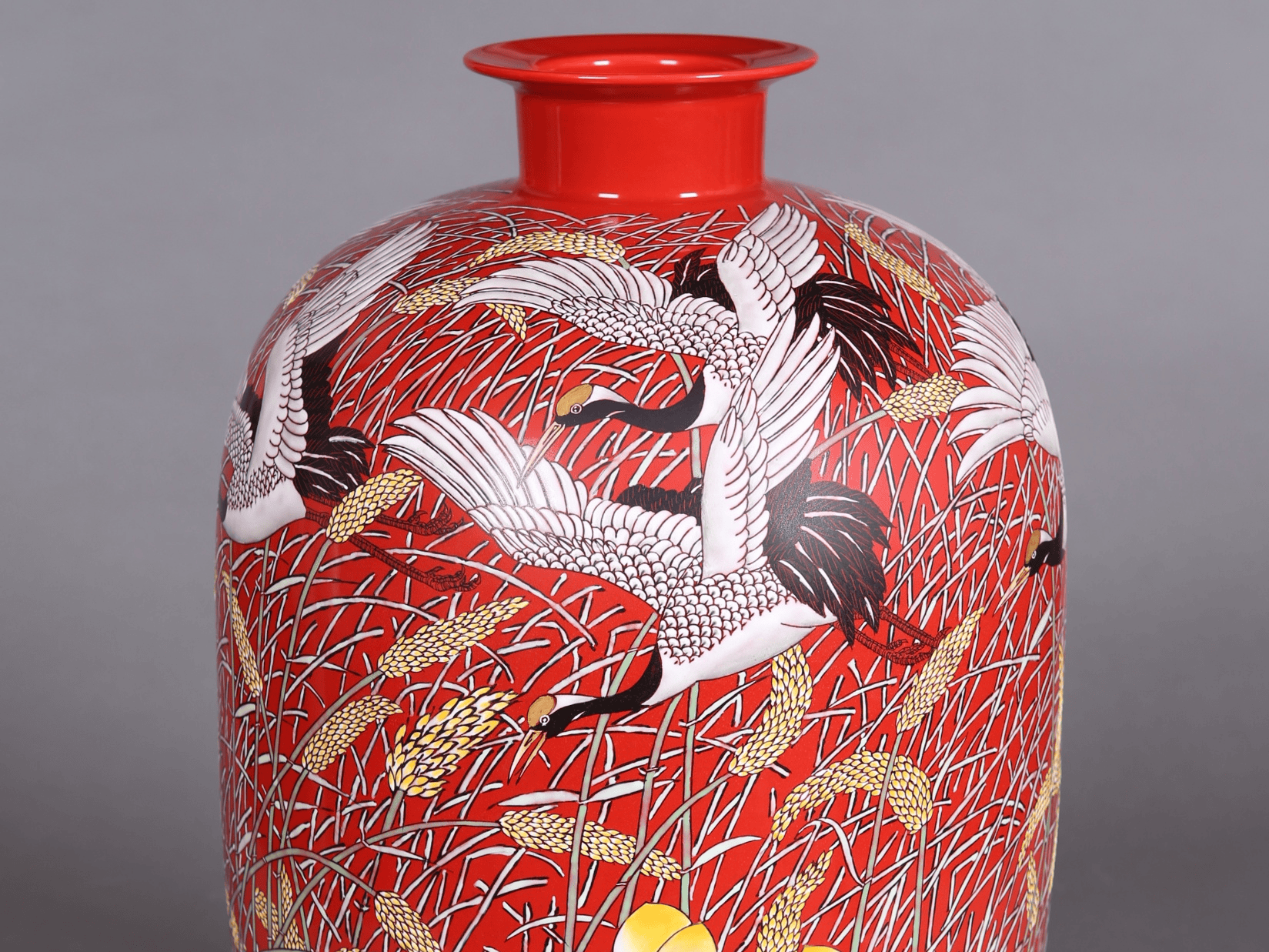
The journey of a ceramic jar from a simple lump of clay to a polished work of art is a testament to human inventiveness. Classicall, the process initiates with the potter’s circular platform, where the talented artisan creates the spinning earth into a cylindrical design. This primary component demands precision and a trained eye, followed by a delicate curing period. Once raw-fired, the container is ready for beautification, which may involve coloring intricate figures, carving detailed views, or utilizing a variety of finishes. The ending kiln firing process then alters the creation into a durable and pleasing vase, a tangible example of the creator's commitment.
Sculpting with Ceramic Material: A Handbook to Porcelain Practice
Exploring the sphere of stoneware composition begins with recognizing the fundamentals of modeling with pottery. The aforementioned approach comprises thoughtfully layering and taking away components to make three-dimensional models. If you're a neophyte or a master artist, playing with assorted sorts of pottery – for example terracotta – will support you detect your personal signature. At last, terracotta carving is a fruitful process that joins expert talent with original communication.
Comments on “Can Cup Set II be positioned as an entry point into your ceramic ecosystem?”